
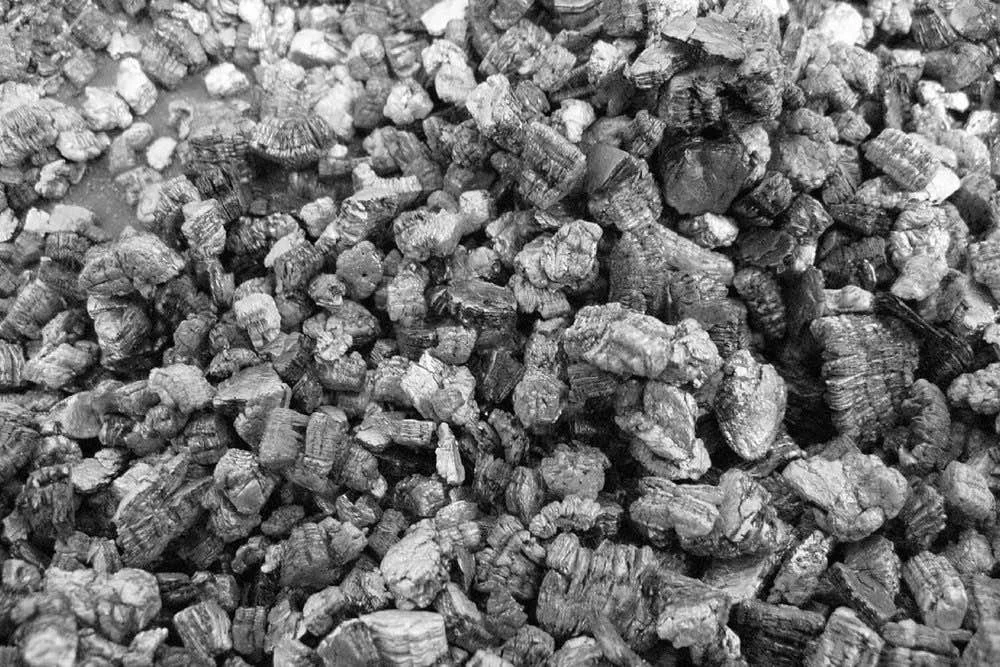
Vermiculite is a naturally occurring mineral that has been used in various industries, including construction. It is often found in attic insulation, particularly in older homes built before the 1990s. Here are some key points homeowners should know about vermiculite: Asbestos association: Much of the vermiculite insulation sold in North America, most of it from a mine in Libby, Montana and often sold as "Zonolite," was contaminated with asbestos, a hazardous substance that can cause serious health issues when inhaled.
Asbestos-related diseases, such as lung cancer and mesothelioma, have been linked to long-term exposure. Asbestos association: Much of the vermiculite insulation sold in North America, most of it from a mine in Libby, Montana and often sold as "Zonolite," was contaminated with asbestos, a hazardous substance that can cause serious health issues when inhaled. Asbestos-related diseases, such as lung cancer and mesothelioma, have been linked to long-term exposure.
Prevalence in older homes: Vermiculite insulation was widely used for attic insulation in the past, particularly from the 1920s to the 1990s. Therefore, homeowners in older properties should be particularly vigilant about the presence of vermiculite. Prevalence in older homes: Vermiculite insulation was widely used for attic insulation in the past, particularly from the 1920s to the 1990s.
Therefore, homeowners in older properties should be particularly vigilant about the presence of vermiculite. Visual identification: Vermiculite insulation looks like small, pebble-like gray or brownish flakes. However, it is important to note that visual identification alone cannot confirm the presence of asbestos.
Assume vermiculite contains asbestos and leave it undisturbed. Testing is not needed to make that decision, and a negative sample can be misleading. Visual identification: Vermiculite insulation looks like small, pebble-like gray or brownish flakes. However, it is important to note that visual identification alone cannot confirm the presence of asbestos.
Assume vermiculite contains asbestos and leave it undisturbed. Testing is not needed to make that decision, and a negative sample can be misleading. Potential health risks: If vermiculite insulation contains asbestos, disturbing it during renovation or removal can release asbestos fibers into the air. These fibers, when inhaled, can pose serious health risks.
It is crucial to avoid any activities that may disturb vermiculite insulation without professional guidance. Potential health risks: If vermiculite insulation contains asbestos, disturbing it during renovation or removal can release asbestos fibers into the air. These fibers, when inhaled, can pose serious health risks.
It is crucial to avoid any activities that may disturb vermiculite insulation without professional guidance. Professional assessment: If homeowners suspect the presence of vermiculite insulation, do not disturb it, keep stored items out of the attic, and consult a licensed asbestos abatement professional before any renovation or removal. They can assess the situation and advise on the safest course of action.
Professional assessment: If homeowners suspect the presence of vermiculite insulation, do not disturb it, keep stored items out of the attic, and consult a licensed asbestos abatement professional before any renovation or removal. They can assess the situation and advise on the safest course of action. It is always recommended to seek professional assistance when dealing with vermiculite or suspected asbestos-containing materials.